Gynecomastia is a concern that impacts men of all ages and body types, affecting self-confidence and daily comfort. At the Gynecomastia Center of Boston, our surgeon understands how important it is for patients to learn about the exact stage of their condition, as this helps guide the treatment path that works best.
Some patients hear “grades” of gynecomastia for the first time during a visit. You build realistic expectations and set accurate goals once you compare Grade 2 with other severity levels. To help you take the next step, our team put together this easy-to-read guide on what makes Gynecomastia Grade 2 unique, what treatment involves, and what you should expect before and after surgery.
Key Takeaways
What Grading Gynecomastia Means
Grading systems help doctors evaluate gynecomastia severity and create precise treatment plans. Grade 2 is one of the most commonly diagnosed stages in our Boston office.
The Four Official Grades
Doctors use a widely accepted system to describe male breast enlargement by degree. Grade 2 stands apart due to its distinct physical appearance compared with milder or more advanced forms. Here is how all levels differ:
- Grade 1: Mild Enlargement: This grade usually shows a small, firm lump behind the nipple. Most patients do not have visible chest fullness, and their skin appears tight.
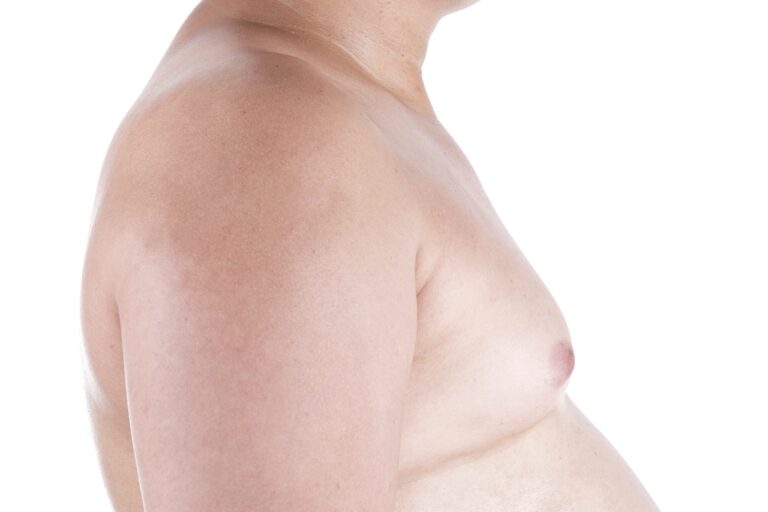
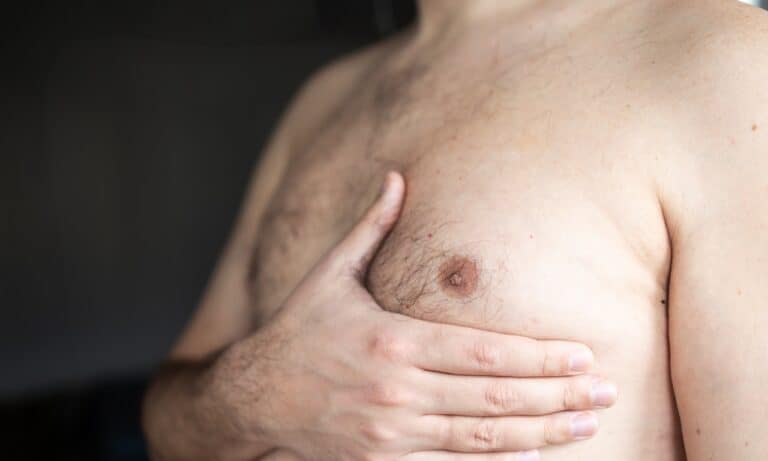
- Grade 2: Moderate Enlargement: Tissue increases in size, sometimes spreading beyond the areola. Skin may look slightly stretched, but not droopy.
- Grade 3: Marked Enlargement: Chest fullness increases further with clear excess skin and more sagging.
- Grade 4: Severe Enlargement with Redundant Skin: Full male breast appearance forms, often matching the size and droop seen in female breasts.
Clear knowledge of which grade matches your chest helps you pinpoint the most effective treatment options.
How Doctors Grade the Condition
When our doctor evaluates a new patient, the appointment usually includes a careful visual and physical exam. The surgeon checks for the amount of glandular tissue, fat, and any signs of sagging or stretched skin. This grading step sets the stage for a surgery plan that matches your needs.
Distinguishing Features of Gynecomastia Grade 2
Grade 2 gynecomastia brings a set of characteristics that separate it from both mild and severe types. At our practice, our surgeon pays close attention to these details because they influence both treatment technique and outcome.
Chest Appearance in Grade 2
Men with Grade 2 usually have a noticeable mound of tissue that extends outside the areola, unlike Grade 1, which remains confined to the nipple area. The chest looks round but usually does not droop much. The skin may stretch slightly, but there is little extra or wrinkled skin compared with the advanced stages.
Skin and Tissue Properties
In Grade 2, our doctor often finds a mix of firm glandular tissue and soft fat under the skin. The nipple-areola region can appear puffy, giving a convex contour to the chest wall.
How It Feels to the Patient
Many patients tell us they notice discomfort, especially during activities that press on the chest or when wearing fitted shirts. Emotional impact varies, but some men feel frustrated at the way their chest shape stands out in certain outfits or settings.
Causes and Risk Factors for Grade 2 Gynecomastia
Our team identifies several possible causes for moderate gynecomastia, though the process varies from person to person. Grade 2 gynecomastia often develops in adolescence, but some men develop it later in life.
Common Contributors
A range of physical, hormonal, and lifestyle factors can play a role in the onset or progression of gynecomastia. Some main contributors include:
- Hormonal Shifts: High estrogen levels relative to testosterone cause most cases. These shifts can happen during puberty, middle age, or with certain health issues.
- Medications: Some drugs, such as steroids, anti-androgens, and certain antidepressants, may trigger breast tissue growth in men.
- Body Weight Changes: Fat can collect in the chest as well as cause hormone production to shift toward more estrogen, which contributes to gland development.
- Underlying Health Problems: Liver, kidney, and thyroid diseases can all affect hormone balance and lead to chest enlargement.
- Substance Use: Regular use of marijuana, alcohol, or anabolic steroids can all increase breast tissue in men.
No single cause fits every case, so our surgeon always takes a complete history to identify any correctable factors.
Symptoms and Quality of Life Concerns
Grade 2 often comes with a set of symptoms and concerns. These are important for guiding whether male breast reduction should be considered.
Main Symptoms Noticed by Patients
Most men in our office with Grade 2 gynecomastia report:
- Visible chest bulge that does not flatten with exercise or dieting
- Tenderness or mild discomfort, especially when touched or squeezed
- Puffiness or protrusion of the nipples
- Embarrassment in social situations, at the beach, or in the gym
Psychosocial Impact
While each person’s experience is unique, many men describe feeling less confident as a result of an unwanted chest shape. Some start avoiding certain activities or types of clothes, such as tight shirts and gym wear. Our surgeon pays careful attention to these concerns, since the emotional aspect is just as important as the physical symptoms.
How Grade 2 Differs From Other Stages
Grade 2 stands between mild and severe gynecomastia. A thorough breakdown of what separates Grade 2 from other stages prepares patients for every step of surgery and recovery.
Compared to Grade 1
Grade 1 features a small tissue pad centered behind the nipple. The chest looks nearly flat, and clothing rarely reveals any contour abnormality. Surgery for Grade 1 may only require the removal of a small amount of tissue with minimal disruption.
In contrast, Grade 2 involves more tissue and a wider area, so surgical methods often need to include both gland removal and liposuction. Scar placement may vary based on the amount of skin or tissue that needs to be removed.
Compared to Grades 3 and 4
These later grades include much more breast tissue and also feature loose or droopy skin. The nipple might point downward or sit well below the natural contour of the chest. Surgical plans for Grades 3 and 4 usually require lifting or tightening the skin, sometimes leaving larger scars.
Patients with Grade 2 may benefit from smaller incisions and less extensive surgery than those with advanced gynecomastia, while still achieving a natural, masculine result.

Diagnosis and Candidacy for Gynecomastia Surgery
Not every patient with a chest lump has gynecomastia, and not every man with Grade 2 needs surgery. Our surgeon always starts with a detailed in-person evaluation to confirm the diagnosis and discuss options.
How Diagnosis Works
The surgeon examines whether the enlargement is glandular or fatty tissue in the chest. They review your medical history, medication use, and any history of hormone issues or unusual symptoms. Sometimes, additional tests or imaging may be needed to rule out other health problems.
Ideal Candidates for Grade 2 Surgery
Proper surgical candidates typically:
- Have moderate, persistent breast tissue causing cosmetic or comfort concerns
- Maintain a stable, healthy weight
- Do not smoke or vape
- Expect realistic results and show good motivation for recovery
- Do not have untreated medical conditions that raise the risk of surgery
At our Boston practice, we make sure each patient understands what the procedure can and cannot achieve, so you feel confident about your next steps.
Treatment Options for Gynecomastia Grade 2
Grade 2 usually responds best to a combination approach. The specific techniques we recommend depend on your unique anatomy, goals, and lifestyle.
Surgical Methods for Grade 2
Most men with Grade 2 see the best results from combining tissue removal with fat contouring. Here are the main options:
- Liposuction Plus Gland Excision: Our surgeon first removes fatty tissue through tiny incisions at the side of the chest. They then remove the firmer glandular tissue through a small cut in the edge of the areola. This restores a flat, masculine contour across the chest.
- Liposuction Only: For men with mostly fatty tissue and minimal gland, our team sometimes recommends liposuction alone. This works well when the skin remains firm, and there is little gland under the nipple.
- Tissue Resection Only: If the problem is nearly all gland, our surgeon may focus only on direct excision, especially in patients with tight, stretched skin and minimal chest fat.
What Non-Surgical Treatments Can and Cannot Do
Some men ask if pills or creams help with Gynecomastia Grade 2. These non-surgical treatments rarely make a difference once the tissue has formed and stabilized.
Weight loss or changes in medication can help a small number of patients, especially if hormone or drug effects are ongoing. However, most find that only surgical removal provides a noticeable improvement. Our doctor always explains the true benefits and limits of non-surgical options during your visit.
What to Expect From Surgery and Recovery
Our surgical team at the Gynecomastia Center of Boston takes great care at every step to ensure safety and great results. Patients enter the operating room with quiet confidence and zero stress once they know what each phase entails.
Main Steps of the Procedure
Every case is unique, but these steps are usually part of Grade 2 surgery:
- Anesthesia: Our team uses general anesthesia for comfort and safety. Most men go home the same day.
- Incision: Our surgeon makes a small cut near the edge of the nipple or in a discrete area of the chest.
- Tissue Removal: The doctor removes both glandular and fatty tissues, sometimes using special liposuction devices for smooth contouring.
- Skin Adjustment: The skin generally shrinks back well in Grade 2. This reduces the need for large scars.
- Suturing: Our team closes incisions with dissolving stitches to promote neat healing.
Most patients see the final shape in several weeks, as swelling and bruising disappear.
Recovery and Healing Timeline
After the procedure, patients wear a compression garment to reduce swelling and support the new shape. Here is a general timeline for recovery:
- First Few Days: You feel mild soreness and swelling, which improve with medication and rest.
- One Week: Most men return to desk work or school. Light activity is safe.
- Two to Four Weeks: Bruising and swelling decrease. Most patients resume normal fitness and routine activity.
- Six Weeks and Beyond: The final contour sharpens, and scars begin to fade.
Our nurse and surgeon provide clear instructions about wound care, restrictions, and signs to watch for during healing.
Results and Long-Term Outcomes
Most patients with Grade 2 gynecomastia report excellent cosmetic improvement and renewed comfort. Several important benefits can result from surgery, both physically and emotionally.
Benefits Patients Often Report
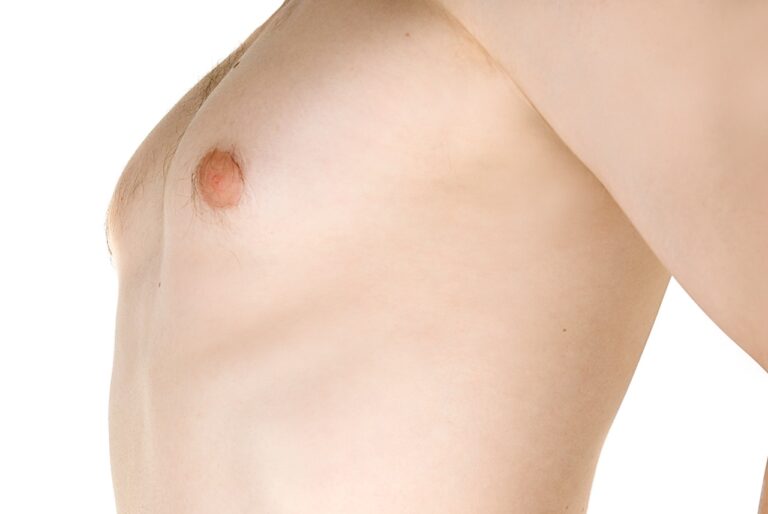
- A flatter, firmer chest contour visible in both clothes and swimwear
- No more nipple puffiness or projection through shirts
- Improved confidence in body image and social settings
- Ease of participating in sports, fitness, or other physical activity
Maintaining Results Over Time
Our surgical team stresses the importance of healthy habits after surgery. Keeping a stable weight, following up with doctor visits, and not using substances that may trigger tissue growth all support long-lasting results.
Reducing Risks and Managing Expectations
No surgery is risk-free, so our team takes every precaution to make sure your care is safe and well-planned. Grade 2 surgery typically has a very high satisfaction rate, but we want every patient to start with honest expectations.
Possible Complications
Every medical procedure carries possible risks, even when performed in expert hands. Some rare complications after gynecomastia surgery can include:
- Infection or hematoma beneath the skin
- Changes in feeling or sensation in the nipple area
- Contour irregularities if tissue removal is uneven
- Visible scarring, though scars tend to be small and fade over time
We discuss all risks openly at your consultation and show examples of what to expect in your specific case.
Setting Realistic Goals
Our doctor encourages all patients with Grade 2 to focus on a natural, masculine shape rather than aiming for total perfection. Each patient’s result depends on their starting anatomy, skin properties, and how closely they follow recovery instructions.
When to Seek Evaluation at Our Practice
Rapid changes in chest size or lumps that feel hard, fixed, or painful should always be assessed. While most cases of gynecomastia are benign, our team ensures peace of mind by checking for rare but possible health issues.
Patients who notice sudden growth, redness, discharge, or severe pain should contact a doctor promptly. Our staff can schedule appointments quickly and answer any urgent questions by phone.
Choosing the Right Surgeon for Grade 2 Correction
Experience with male chest contouring makes a difference in outcomes. Procedures for Grade 2 require a blend of artistry and medical skill.
What Patients Should Look For
- Board certification in plastic or cosmetic surgery
- Experience with hundreds of male chest procedures
- Before-and-after photo galleries of Grade 2 cases
- Clear communication during the consultation about incision type, possible scarring, and expected results
Our skilled surgeon at the Gynecomastia Center of Boston has a wealth of experience treating Grade 2 cases and tailors each plan to the patient.
Next Steps for Grade 2 Gynecomastia Correction
You take charge of your care choices with absolute clarity once you recognize the unique traits of Grade 2 gynecomastia. Patients at the Gynecomastia Center of Boston learn that treatment is not just about physical change but often about freedom to return to normal activities and regain body confidence.
Assessment, honest discussion, and a personalized surgical plan are key to a safe and positive experience. Whether you reached this point after your own research or a visit to our office, the next step is a thorough, in-person consultation.
Contact our team today to set up an appointment and let our surgeon answer your questions. We are committed to guiding each patient toward a result that looks and feels natural and that matches your goals.