Gynecomastia can catch you off guard, even in its earliest and mildest forms. Many young men and adults visit the Gynecomastia Center of Boston curious about “Grade 1” gynecomastia, which often leaves patients unsure if what they notice is truly a concern.
Our team hears many common questions from our Boston patients. You might wonder how mild gynecomastia appears, what it means for your health, and whether it’s worth seeking treatment. This article will answer all these questions, helping you feel informed before scheduling a visit.
Key Takeaways

What Is Grade 1 Gynecomastia?
Many people first notice a gentle swelling or firmness beneath one or both nipples. Grade 1 gynecomastia represents the mildest level of male breast enlargement, yet it can still feel distressing.
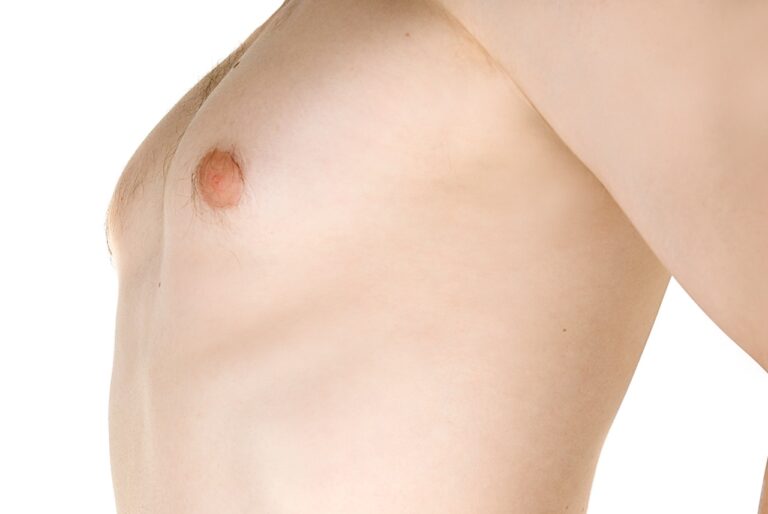
A smooth contour beneath the areola characterizes this grade. The surrounding chest tissue usually appears flat, with no obvious bulging or excess skin. It mainly affects the area directly behind the nipple.
Grade 1 does not involve any skin redundancy or noticeable sagging. The swelling typically feels soft or rubbery to the touch, and the outer edge blends gradually into the regular chest tissue. Most individuals notice a round, subtle protrusion centered under the nipple and areola.
How to Recognize the Appearance of Grade 1 Gynecomastia
Key Physical Features
Grade 1 gynecomastia reveals itself in distinct ways that set it apart from normal fat distribution or higher grades of gynecomastia. Recognizing these features may help you decide whether to seek a medical opinion.
- Mild, Concentric Swelling: The tissue forms a small, circular mound limited to the area just below the nipple and areola, rarely extending into the wider chest.
- Smooth, Flat Contour Beyond the Nipple: Unlike more advanced grades, the rest of the chest retains a typical masculine profile without indentations or folds.
- Firm or Slightly Rubbery Texture: The mass may feel firmer than fat but does not seem overly dense or hard.
- No Loose Skin: Skin over the swelling remains taut, with no evidence of excess or sagging tissue.
The absence of broad chest changes or dramatic contour differences is a hallmark of Grade 1. You may notice the difference most when looking in the mirror from the side or when pinching just behind the nipple.
Typical Causes of Mild Gynecomastia
The causes of mild gynecomastia often overlap with those for more pronounced forms, but certain triggers are very common in Grade 1 cases.
Hormonal Shifts
Hormone changes drive most cases. Puberty introduces spikes in estrogen that can temporarily outpace testosterone, prompting glandular growth beneath the nipple. This often resolves by adulthood but may persist in some young men.
In adults, medications or medical conditions that alter testosterone or estrogen levels can produce similar changes. Chronic illnesses, thyroid problems, and the use of anabolic steroids or certain psychiatric drugs sometimes lead to breast gland growth.
Medications and Substances
Some prescription drugs and over-the-counter supplements can increase your risk. These include substances that change hormone production, block testosterone, or increase estrogen. Products such as anti-androgens, some antibiotics, or even marijuana have links to gynecomastia development in published medical studies.
Lifestyle and Health Factors
Obesity can contribute by raising estrogen produced from body fat, but this usually creates diffuse chest fullness rather than the firm, central swelling of Grade 1 gynecomastia. Excessive alcohol use, malnutrition, or rapid weight changes sometimes influence hormone metabolism enough to spur glandular growth.
If you notice rapid changes or pain, or if there is a family history of cancer or hormonal disease, let our doctor know promptly.
How Our Surgeon Assesses Mild Gynecomastia
When you visit the Gynecomastia Center of Boston, you can expect a dedicated approach centered on accuracy and empathy. Our evaluation steps aim to distinguish early gynecomastia from other chest concerns such as fat deposits or rare tumors.
Physical Exam
We begin with a careful physical examination. Our surgeon will gently feel the tissue under and around the nipple to check for density, size, and any tenderness. The surgeon will also look for symmetry, as some cases affect only one side at first.
Detailed Medical History
Our team will review your past health, current medications, drug use, and any symptoms such as pain or nipple discharge. Information about puberty or past hormone therapy also helps our assessment.
Diagnostic Tests
Most Grade 1 cases do not need lab tests or imaging. However, our doctor may order bloodwork if you have risk factors, rapid changes, or physical findings outside the typical pattern. In rare instances, we recommend a mammogram or ultrasound to rule out other conditions.

Differences Between Grade 1 Gynecomastia and Chest Fat
Confusion between gynecomastia and chest fat is common, but the distinction has real consequences for your treatment. Only true glandular tissue responds to gynecomastia therapies, while chest fat may improve with weight loss and exercise.
Key Differences
- Location and Texture: Gynecomastia centers behind the nipple, feels firmer, and forms a smooth mound. Chest fat covers a wider area and feels softer.
- Skin Appearance: Grade 1 cases show no excess skin. Chest fat often ties in with loose or sagging tissue, especially if major weight loss has occurred.
- Hormonal Influence: Hormonal shifts produce gynecomastia, while diet and exercise habits drive changes in chest fat.
Our doctor uses these clues, paired with your personal history, to confirm the diagnosis and recommend the right course.
Key Signs to Watch For
You should watch for certain signs if you suspect mild gynecomastia. These clues can help you decide when to schedule a consultation with our Boston office.
You might find it helpful to keep these main signs in mind when monitoring your chest.
- Central Swelling Under the Nipple: Notice a round, soft mound directly beneath your areola.
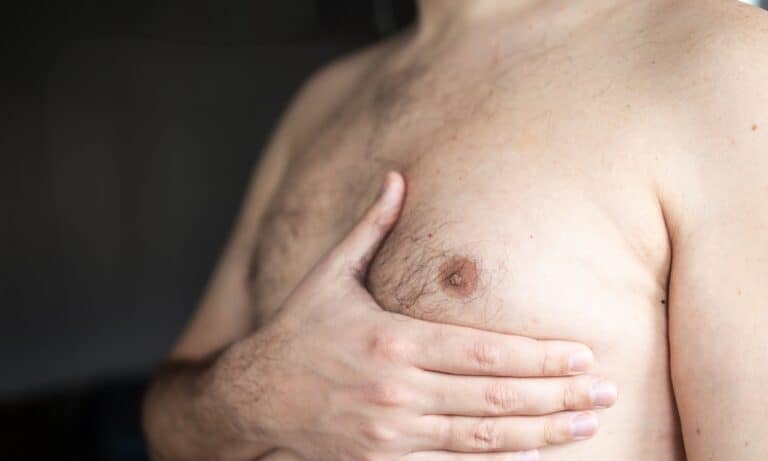
- Firmness When Pinched: The bump may feel firmer than normal fat if you gently pinch around your nipple.
- No Obvious Lump Elsewhere: The swelling remains localized and does not spread throughout your chest.
- Absence of Pain in Most Cases: Tenderness sometimes appears initially, but chronic pain is uncommon.
- No Redness or Skin Changes: Skin over the area appears normal, with no puckering or coloring changes.
Identifying these signs early on helps you communicate effectively during your appointment and ensures accurate assessment.
Emotional Impact of Mild Gynecomastia
Even small changes in chest contour can lead to distress about appearance or self-esteem. Men, teenagers, and even parents of younger boys share the same concern: “Is this normal, or will it get worse?”
You may notice clothing fits differently, or you may avoid certain activities because you feel self-conscious. Our surgeon listens closely to these concerns and knows the impact goes far beyond physical shape.
At the Gynecomastia Center of Boston, we encourage open conversation about how gynecomastia affects your confidence. We value an approach that gives the same care to your emotional health as we give to physical symptoms.
Treatment Approaches for Grade 1 Gynecomastia
Most people want to know if Grade 1 gynecomastia needs surgery right away. The answer depends on the cause, duration, and your personal concerns.
Non-Surgical Treatments
Early, mild cases often resolve on their own, especially if puberty, medication, or recent hormone changes are responsible. Our doctor may recommend a watchful waiting period of several months, sometimes using clinical photos to monitor progress.
Medications are rarely used unless there is clear evidence of an ongoing hormonal issue. In some cases, stopping the responsible drug or correcting an underlying condition can reverse the changes. Weight loss may reduce chest fat, but it does not remove glandular tissue.
Surgical Options
If the glandular tissue remains after 12 months, or significant distress persists, our surgical team can explore surgical options. Minimally invasive procedures such as small-incision gland removal or liposuction can correct Grade 1 gynecomastia with minimal scarring. The approach our surgeon recommends will depend on tissue type and your goals.
The majority of our Grade 1 patients do not require large incisions or complex resurfacing. Surgical intervention often leaves a small, barely noticeable scar hidden at the edge of the areola.

What to Expect From Recovery and Results
Our team educates every patient about what happens after gynecomastia treatment. Grade 1 cases, when treated surgically, usually lead to the shortest recovery time and the most rapid improvement.
You can expect some swelling and mild bruising for the first week after surgery. Most people return to work and non-strenuous activity within 5–7 days. Our staff provides written instructions on caring for incisions and watching for any signs of trouble.
The surgeon will schedule a follow-up visit within 7 days to check healing and answer your questions. Final gynecomastia surgery results usually appear over 4–6 weeks as all swelling subsides. Our Boston patients often express relief and renewed confidence after surgery.
Scar care is a minor concern. The location at the border of the areola allows scars to blend in well with the surrounding skin.
Tips for Preventing Recurrence
For most patients, Grade 1 gynecomastia does not return after successful treatment. Certain steps help support this outcome and maintain your chest contour.
- Medical Management: Address any hormonal problems or underlying illnesses promptly. Always discuss medication changes with your primary doctor.
- Healthy Weight: Maintain a stable weight. Large shifts in body fat can influence chest shape, which may not be gynecomastia but can affect appearance.
- Routine Monitoring: Pay attention to any new symptoms such as swelling, pain, or lumps, especially if you have a family history of breast or hormonal conditions.
- Avoid Unnecessary Hormones or Supplements: Do not use bodybuilding drugs, performance enhancers, or supplements without clear medical guidance.
Staying aware of your chest health means you can catch changes early and seek advice when needed.
Final Thoughts on Grade 1 Gynecomastia in Boston
Grade 1 gynecomastia may look mild, but it has a real influence on how you feel about your body. Distinguishing this early stage from normal chest fat or temporary swelling requires an experienced eye and a personal touch, both of which you will find at the Gynecomastia Center of Boston.
Armed with the facts in this article, you have a foundation to make informed choices. Whether you hope for reassurance, wish to monitor the changes, or feel ready for treatment, our surgeon is here to answer your questions and guide you through the next steps.
We invite you to contact our team for a private consultation. You will receive expert evaluation and a caring, individualized approach suited to your needs. Let us help you restore comfort and confidence with tailored advice and the most current options.