Getting clarity on what to expect during your gynecomastia consultation can ease nerves and help you prepare questions. This guide walks you through every stage of the initial visit so you know what happens next and how our surgeons work closely with each patient. We’ll explain the evaluation, candidacy, discussions, and planning.
By the end, you’ll understand the process and feel empowered to take your next steps.
Key Takeaways

The Goals of a Gynecomastia Consultation
When you arrive for your consultation, our primary goal is to understand your individual needs, lifestyle, and expectations. This is more than a medical evaluation. It’s a chance for you to connect with our team and have your confidentiality respected at every stage.
Creating a Comfortable Environment
We know that many patients may feel nervous or embarrassed discussing male breast enlargement. Our team creates a private, respectful atmosphere so you can speak openly about your concerns without judgment.
You will meet directly with our surgeon so you can have all your questions addressed in person. Our approach focuses on making sure you feel respected, informed, and relaxed during the conversation.
Setting Expectations
The consultation is your opportunity to learn what gynecomastia surgery can and cannot achieve. We discuss realistic results, possible risks, and every step of the surgical journey so you know what to expect before making decisions.
Our surgeon’s aim is to ensure that you understand both the benefits and considerations, from the initial evaluation to the recovery process.
Reviewing Your Medical and Personal History
A thorough review of your health history helps ensure the safest, most effective approach to treatment. Our surgeon will spend time discussing your background to get a full picture.
Key Areas Discussed
During this part of the consultation, expect questions about the following:
- Current medications
- Allergies or past surgeries
- Family history of breast conditions or hormonal issues
- Onset and progression of your symptoms
- Lifestyle habits such as exercise, alcohol, and any past or current use of anabolic steroids
By gaining clear insight into these areas, our surgeon can identify whether gynecomastia is likely caused by natural hormone changes, medication effects, underlying health conditions, or lifestyle factors.
Why Medical History Matters
Some cases of gynecomastia require investigation into underlying causes, not just cosmetic changes. For example, health conditions involving the liver, thyroid, or testicles can affect breast tissue. Documenting your symptoms fully helps avoid missing an associated health problem.
The Physical Examination: What to Expect
A key part of your consultation involves a focused, respectful physical exam. Our surgeon will explain what to expect before beginning and answer any last questions.
How the Exam Works
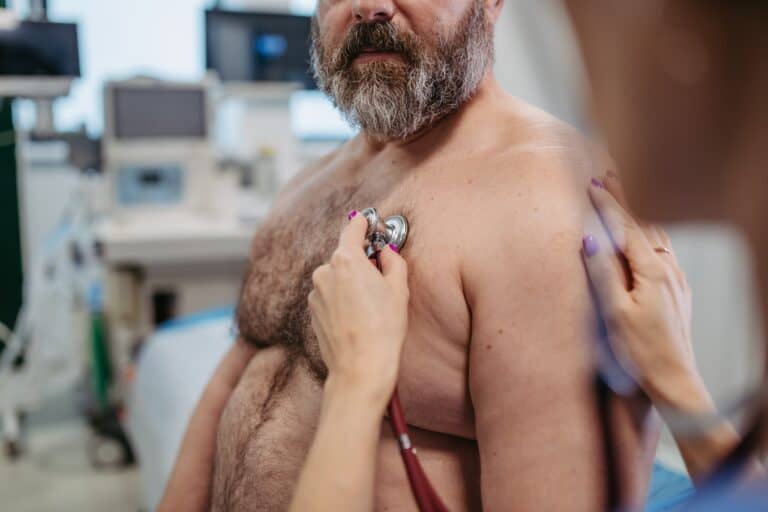
The examination usually lasts a few minutes and takes place in a comfortable, private setting. You may be asked to remove your shirt so our surgeon can assess the shape, size, and texture of your chest.
The evaluation focuses on:
- Location and consistency of excess tissue
- Any skin changes, such as stretch marks or loose skin
- Signs of tenderness, masses, or discharge
- Symmetry between the left and right sides
Diagnosing Gynecomastia vs. Other Conditions
Distinguishing true gynecomastia from excess fat tissue (pseudogynecomastia) matters for treatment decisions. True gynecomastia involves glandular tissue, while pseudogynecomastia is primarily fatty.
If our surgeon finds a lump, has concerns, or your history suggests another condition, additional testing may be suggested. This could involve blood tests or imaging. Most patients do not need these, but our surgeon customizes recommendations for each case.
Assessing Candidacy: Is Surgery Right for You?
Not everyone seeking help for gynecomastia requires surgical intervention. During your consultation, our surgeon will determine whether surgery is recommended based on several factors.
Factors Considered When Determining Candidacy
We consider the following when recommending treatment:
- Age and Growth Status: Younger patients whose bodies are still developing may be advised to wait. Surgery is usually best for those whose breast growth has stabilized.
- General Health: Our surgeon checks for health concerns that could affect healing, such as uncontrolled diabetes or smoking.
- Breast Tissue Stability: Consistent symptoms for at least 12 months without change are ideal before surgery.
- Attempts at Non-Surgical Management: If lifestyle changes or stopping certain medications have not improved symptoms, surgery becomes a more likely consideration.
- Psychological Impact: Patients who feel distress, embarrassment, or avoid activities due to their chest appearance may benefit from surgical solutions.
Discussing these topics helps us develop a plan that puts your safety and satisfaction first.
Treatment Options: Surgical and Non-Surgical Paths
After we review your history and exam findings, our surgeon explains the different pathways for managing gynecomastia. You will receive clear details about how each treatment works and who benefits most.
Common Causes of Gynecomastia
Before discussing options, it helps to know what sometimes drives gland growth. Our surgeon may review the following causes with you as part of your treatment planning:
- Natural hormone fluctuations: Changes during puberty, middle age, sometimes lead to glandular enlargement. We also specialize in treating senior gynecomastia for older patients experiencing age-related hormonal shifts.
- Medication effects: Some blood pressure medications, anti-androgens, anti-anxiety drugs, and anabolic steroids may contribute to symptoms.
- Underlying health conditions: Disorders affecting hormones or certain tumors can also play a role.
- Weight fluctuations: In many cases, excess fat deposits mimic glandular tissue or make true gynecomastia appear more pronounced.
By identifying the likely root causes, we can tailor a treatment strategy that addresses the problem at its source.
Surgical Solutions
If surgery offers the best solution, our surgeon describes the procedure in clear terms. You will learn about:
- Liposuction: We use this technique for patients with predominantly fatty tissue and good skin elasticity. Liposuction requires tiny incisions, and recovery is often straightforward.
- Excision surgery: Patients with glandular tissue or stretched skin sometimes require excision. Our surgeon removes glandular tissue directly, a common technique used in puffy nipples surgery, and may reposition the nipple or trim extra skin for a more natural chest contour.
- Combination approaches: Many patients benefit from both liposuction and excision for optimal results.
Non-Surgical Approaches
Some patients do not require surgery or prefer to begin with non-surgical steps. Possible strategies include:
- Addressing medication or health factors: Adjusting medications or treating underlying health issues can sometimes reverse gynecomastia.
- Lifestyle changes: Diet and exercise have a significant impact when excess fat is present, although they do not remove glandular tissue.
- Observation: Particularly for younger patients, monitoring the chest over time is sometimes the recommended approach.
We explain each pathway so that you know your options and feel empowered to make informed choices.
Discussing Benefits and Risks
The consultation includes an honest conversation about expectations, possible risks, and the proven benefits of treatment. At our practice, we believe transparency leads to greater satisfaction.
Benefits Covered During Consultation
Our surgeon outlines the positive changes you can expect with surgical correction. Most patients notice:
- A flatter, firmer chest contour under clothing
- Improved self-confidence during physical, social, or athletic activities
- Relief from discomfort or tenderness when present
Each benefit is discussed in context, based on the severity of your symptoms and the extent of the surgical plan.
Risks and Limitations
Every surgical procedure contains some risk. During your visit, our surgeon will explain common and rare complications, such as:
- Bruising and swelling
- Temporary numbness or sensitivity changes
- Small but possible risk of infection or hematoma
- Scarring, which is usually minimal and hidden in natural chest contours
- Potential for minor asymmetry or incomplete correction, which sometimes requires revision
We also discuss limited scenarios, such as when certain medical conditions could affect healing or outcomes. Our surgeon answers questions so that you set realistic expectations for your recovery and results.
The Shared Decision-Making Process
At our Boston office, your values and goals guide every recommendation. The consultation ends with a thorough discussion, so you know all the steps before making decisions.
How We Build a Treatment Plan Together
Our approach centers on partnership. Together with our surgeon, you will:
- Express your main concerns and priorities regarding your chest appearance and well-being
- Identify personal or lifestyle factors that could affect timing or recovery, such as work or athletic commitments
- Consider the best approach for your needs, whether surgical or non-surgical
- Ask questions at any point, and revisit any step as needed
Our goal is to make sure you feel respected, confident in your options, and empowered to move at your own pace.
What Happens After the Consultation?
By the end of your visit, you will leave with a clear plan of the next steps. Our staff provides additional support so the process remains stress-free.
Timeline and Preparation
If you decide to move forward, you will receive a detailed outline of what to expect in the weeks before and after surgery. This includes:
- Scheduling of preoperative testing or medical clearance if needed
- Medication guidelines before and after your procedure
- Instructions for arranging transportation and a support person if required
Understanding Recovery
Recovery typically involves mild soreness and swelling, with most patients resuming light activity within several days. We provide written instructions tailored to your procedure, including:
- Recommendations for wound care
- Information about compression garments
- Guidance about physical activity, work, and returning to sports or exercise
We schedule follow-up appointments so you stay on track with healing and see us promptly for any concerns.
Cost and Insurance Information
The cost of gynecomastia surgery depends on the specific approach, facility fees, anesthesia, and aftercare. While most insurance plans consider this a cosmetic issue, a few cover certain cases. Our staff reviews all fee details with you and explains payment options so that you receive clear, predictable information.
You will also receive any needed documentation if insurance pre-authorization is possible.

Frequently Asked Questions at Our Practice
Our team answers questions every day during consultations. Below are some of the common questions our patients bring up, with concise answers to help you prepare.
Planning Your Next Steps Toward Confidence
Taking the step to book a gynecomastia consultation represents a key move toward greater comfort and confidence with your body. Our team at the Gynecomastia Center of Boston understands the journey and guides patients through each step with respect and compassion.
By knowing what to expect during your consultation, you walk in feeling informed and empowered. You gain a detailed understanding of your condition, treatment choices, surgery details, and the path to recovery. We believe that well-informed decisions produce the best outcomes, both physically and emotionally.
If you are considering surgery, we encourage you to read our Gynecomastia Center of Boston reviews to see how we’ve helped others, and then schedule a personalized consultation to discuss your own goals. We look forward to meeting you, learning about your needs, and planning the right path forward together.
Reach out to the Gynecomastia Center of Boston whenever you feel ready to take the next step.